Migration model
Protect The Business Layer Before Changing The Technical One
Rankings, analytics, content, forms, tracking, and editorial habits get mapped before the new stack takes over.

Replace aging sites, brittle workflows, and tracking gaps while protecting the traffic, content, analytics, and revenue already working.
Continuity first
Modernization is architecture, migration planning, and operational discipline in one connected process so the new stack does not erase what already creates value.
Migration model
Rankings, analytics, content, forms, tracking, and editorial habits get mapped before the new stack takes over.

Planning
URL inventories, redirect plans, content parity, schema notes, and the sequence that keeps launch day boring.
Frontend
Next.js, React, and headless architecture where they improve speed, editing, and long-term maintainability.
Performance
Core Web Vitals, render paths, bundle work, and the practical speed gains users can actually feel.
Search
Structured data, canonical URLs, metadata, sitemaps, and search signals protected before cutover.
Tracking
GA4, Meta CAPI, server-side events, and first-party data patterns that survive modern browser limits.
Editorial
CMS patterns that let content teams move without turning every routine update into an engineering ticket.
Before, during, after
Make every important part of the old system visible, move it deliberately, and prove the new system before the business depends on it.

Before
Legacy WordPress and plugin-heavy sites, slow pages, drifting SEO, fragile tracking, and workflows no one wants to touch.

During
Content, redirects, metadata, analytics, and integrations are validated before traffic follows.

After
A faster stack with preserved search equity, usable editing, documented patterns, and fewer surprises.
Before the rebuild
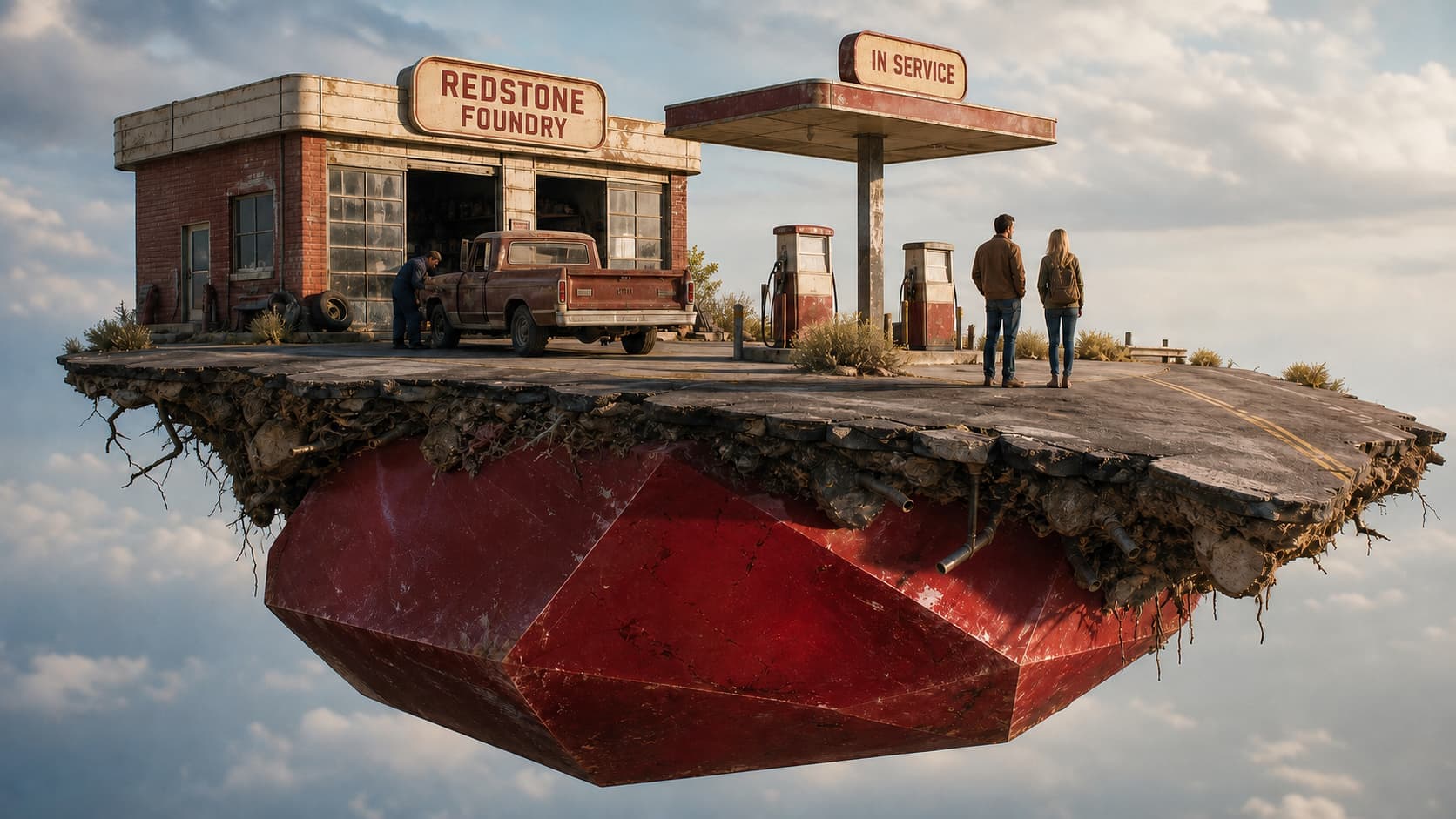
Rebuilds break when existing value is treated as overhead. We map what is quietly working first, then plan around it.
What gets protected
Redstone Foundry maps search, content, analytics, and operations before changing the technical foundation, so the investment protects revenue and reduces day-to-day friction.
Rankings and organic visibility
URLs, redirects, and canonical signals
Posts, pages, media, and metadata
GA4, pixels, CAPI, and conversion events
Editorial workflows and CMS permissions
Forms, CRMs, maps, feeds, and integrations
Modernization track
Keep What Works
Audit traffic, content, tracking, workflows, integrations, and hidden dependencies.
Sequence The Rebuild
Plan visible slices with redirects, rollback paths, and verification gates built in.
Cut Over Deliberately
Launch with a clear plan, then watch search, analytics, forms, and critical paths.
Stabilize The System
Close edge cases, document patterns, and leave the team a stack they can keep using.
Best fit for
The current site still matters, but the stack slows every useful change.
Search rankings, content history, or analytics cannot be treated as disposable.
Marketing and product need cleaner workflows without losing engineering control.
You need a rebuild that is calm, planned, and reversible until it is proven.

Modernization planning
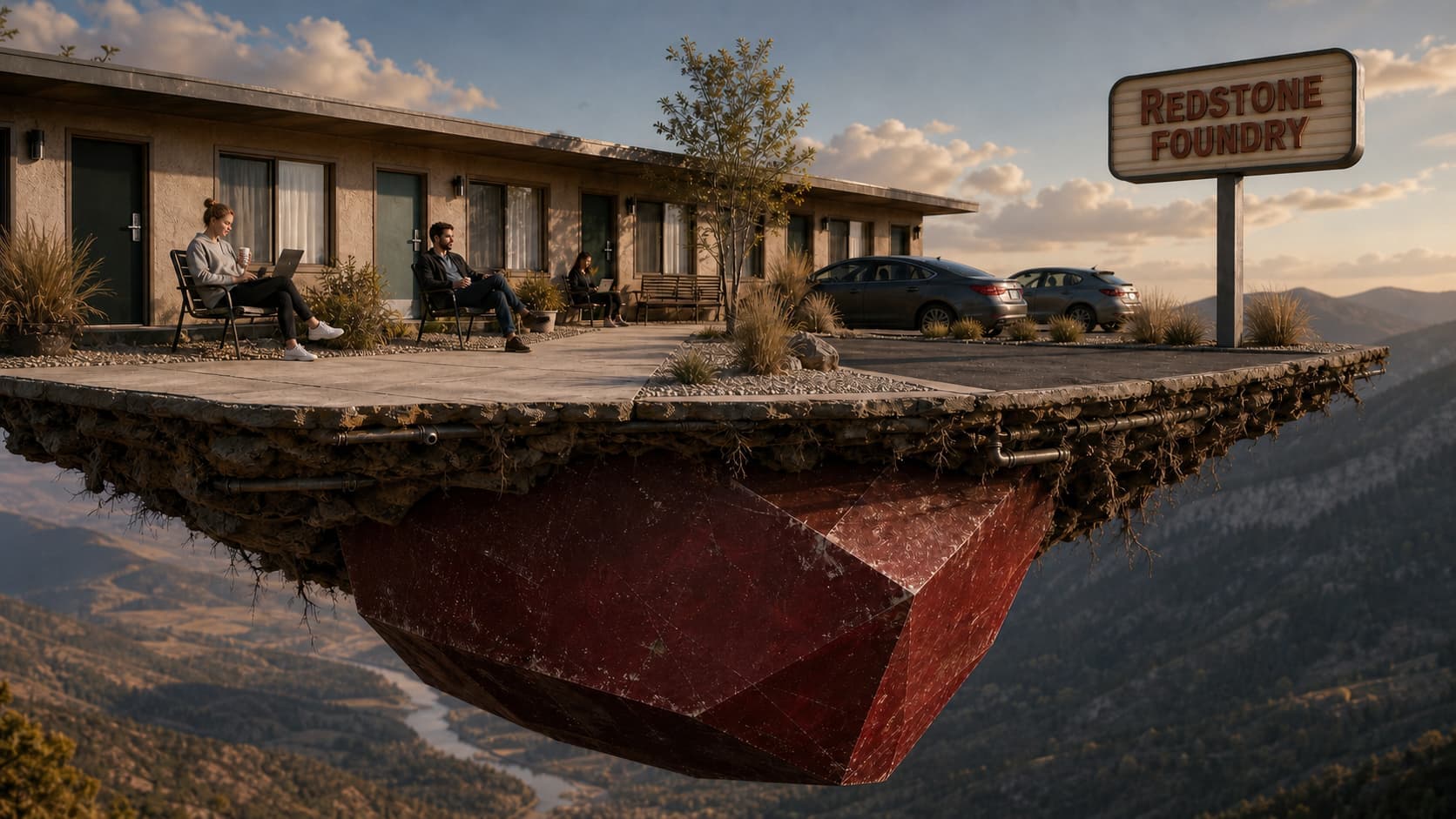
A focused working session can map the migration surface, identify what needs protection, and define the first safe step.